Planning to seek treatment in China as a foreign patient? Don’t overlook a critical step: preparing your medical records properly. Whether you’re coming for surgery, fertility treatment, or a second opinion, Chinese hospitals often require your prior health documents—translated and sometimes notarized.
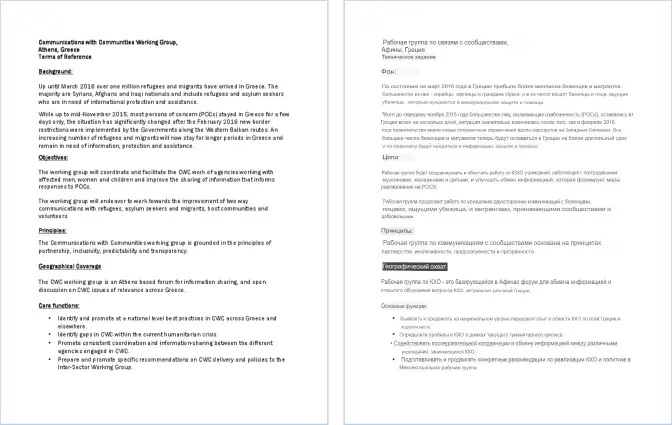
Why? Doctors need accurate history to avoid misdiagnosis. But medical record translation isn’t as simple as running text through Google Translate. Clinical terms, drug names, and diagnostic codes must be precise. Errors could delay your care or lead to incorrect treatment.
Here’s your essential checklist for cross-border medical care:
- Gather key documents: Include discharge summaries, lab results, imaging reports (MRI/CT scans), prescriptions, and specialist notes from the past 2–5 years.
- Use certified translation: Hire a professional service that provides certified medical translation with a signed statement of accuracy. Many Chinese international hospitals only accept translations stamped by authorized agencies.
- Notarization (when required): For legal or insurance purposes—especially for long-term treatments like IVF or organ transplants—you may need documents notarized at a Chinese consulate or by a local notary public in your home country.
- Digital + physical copies: Bring both printed files and USB drives with PDFs. Some hospitals in Shanghai or Beijing now accept digital uploads via WeChat.
Pro tip: Contact the hospital’s international medical department before you travel. Ask: “Do you require notarized translations of medical records?” Requirements vary—some only need English originals; others insist on Chinese versions.
Also, ensure your translated records include:
- Your full name and date of birth (matching your passport)
- Dates of all procedures
- Clear diagnosis and treatment plans
- Physician signatures
Skipping proper medical record translation & notarization can cause frustrating delays. One patient from Germany waited three days for surgery because his MRI report lacked a certified Chinese translation.
By preparing early, you ensure a smooth start to your cross-border medical care journey in China—where world-class treatment awaits, once paperwork is in order.